Weld Seams on Galvanized Fabrications
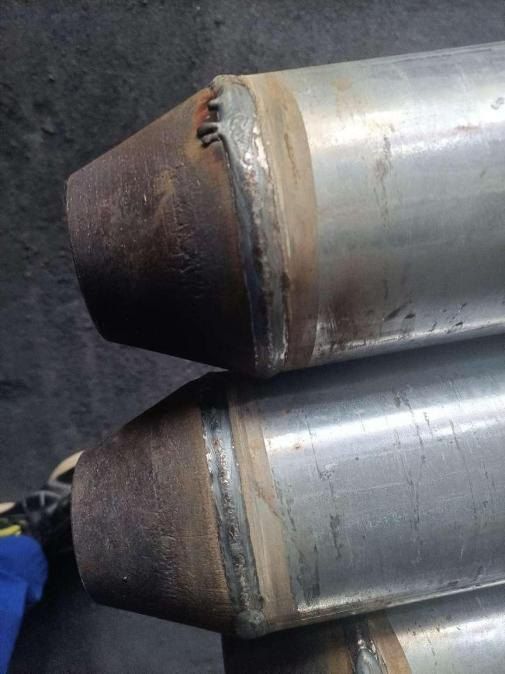
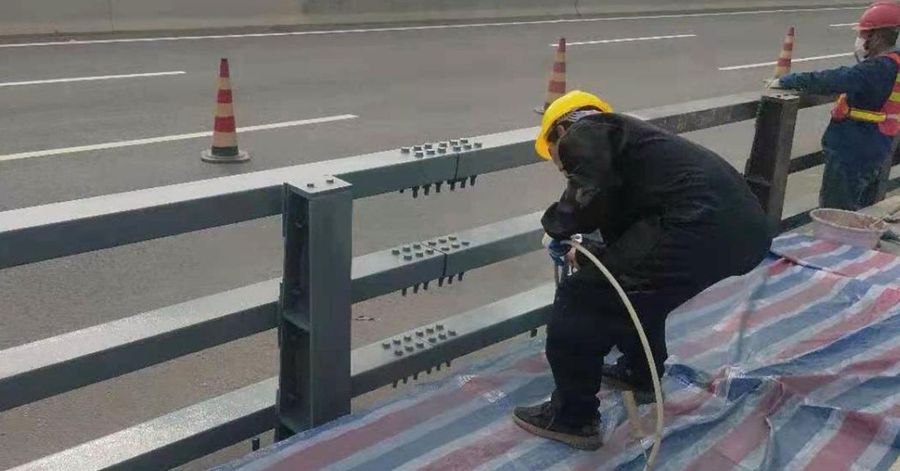
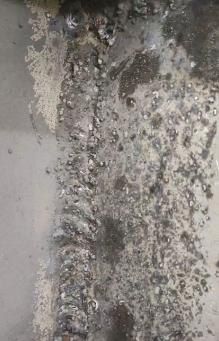
Welding burns off the zinc layer and leaves dark, unprotected seams. On-site repair with cold galvanizing compound and a silver metallic topcoat restores both protection and a uniform galvanized appearance.

Every case below was executed with our cold galvanizing compound — 96% zinc in dry film. Filter by industry or by repair scenario to find the one closest to yours.

Welding burns off the zinc layer and leaves dark, unprotected seams. On-site repair with cold galvanizing compound and a silver metallic topcoat restores both protection and a uniform galvanized appearance.

Transport, welding and handling damage galvanized pipe surfaces. Spot repair with cold galvanizing compound and a silver topcoat seals the exposed steel and matches the surrounding finish.

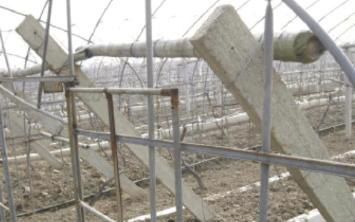
Welded joints on greenhouse frames lose their zinc during erection. Field repair restores the full galvanized system without dismantling a single member.

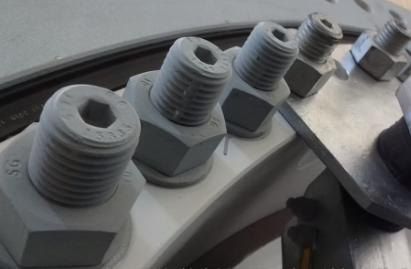
Fasteners are the first to corrode. A single coat of cold galvanizing compound on bolts, nuts and flanges gives sacrificial protection and blends into galvanized assemblies.

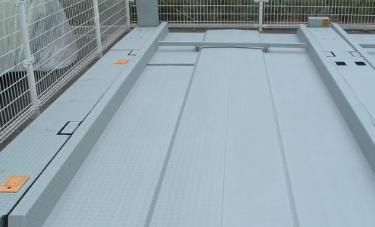
Galvanized parking structures pick up scratches and weld damage during transport and installation. Single-coat cold galvanizing compound repairs the damage quickly — no hot work, no dismantling.

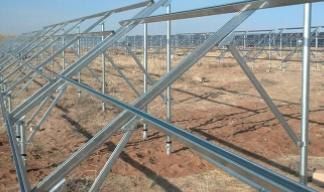
Cut edges and scratches on Zn-Al-Mg brackets need a matching repair coating. A silver zinc-rich single coat restores sacrificial zinc protection and the metallic appearance.

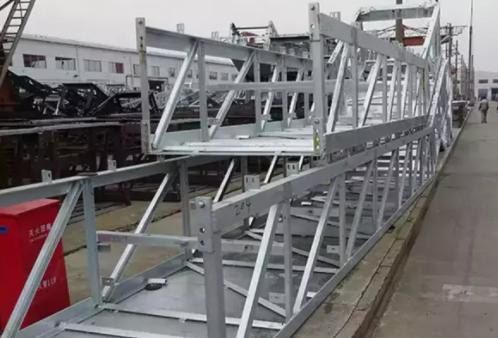
Hot-dip galvanizing of long trusses often leaves missing zinc, dull patches and yellow staining. Repaired with cold galvanizing compound, finished with a silver topcoat for a uniform, color-matched surface.

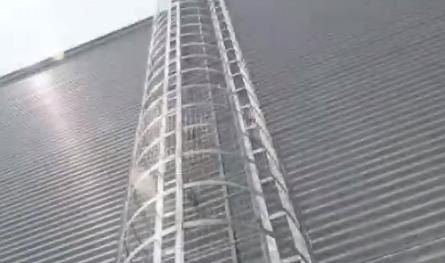
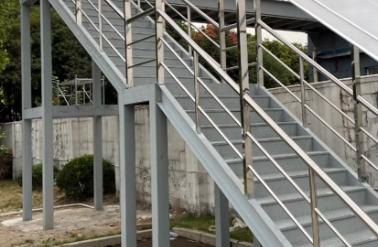
Welds and fixing points on galvanized access ladders are re-protected with a single silver zinc-rich coat, applied on site at height.

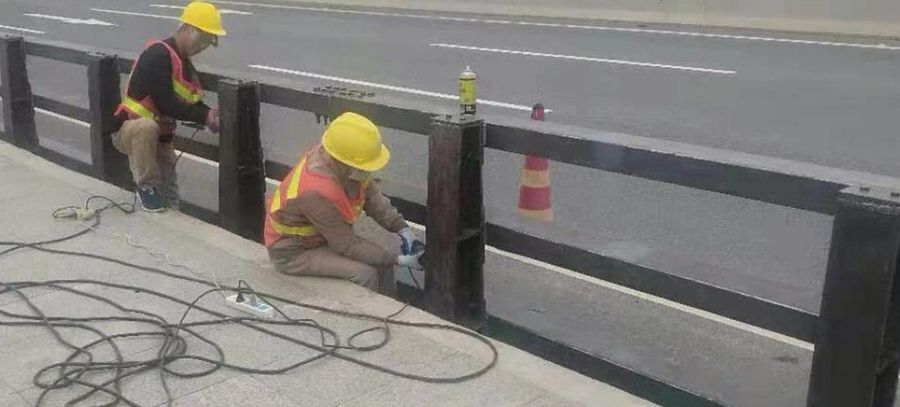
Years of impact, road salt and weather thin the zinc on guardrails. Renovation with single-coat cold galvanizing compound restores cathodic protection without replacing any section.

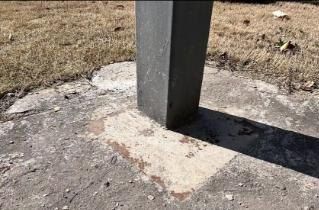
Weathered columns with surface rust are cleaned to St 3 and re-coated in one cold galvanizing compound pass — service life extended at a fraction of replacement cost.

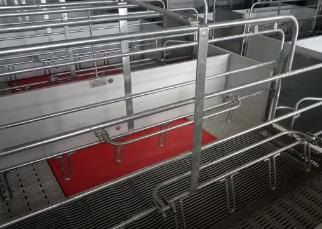
Ammonia-rich environments inside livestock housing demand extra zinc. Cold galvanizing compound over hot-dip galvanized fencing increases coating thickness and service life.

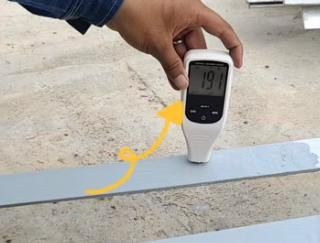
Where the design calls for a thicker zinc layer, cold galvanizing compound is applied over hot-dip galvanizing — thickness measured and verified on site with a coating gauge.
Three cases in detail — the problem, the coating system, the result.
Guardrails along coastal and salted roads lose their galvanizing long before the steel is worn out. Cutting out and replacing sections is slow and disruptive to traffic.
Hot-dip galvanized components leave the bath with defects — missing zinc, dull patches, yellow staining. On Zn-Al-Mg solar brackets, cut edges face the same problem.
Columns exposed to weather and splash zones show surface rust that keeps spreading under old paint. Full replacement is rarely justified by the remaining steel quality.
Every case on this page runs on the same cold galvanizing compound — configured as one of three systems.
Direct zinc protection on steel and galvanized surfaces where speed and simplicity matter. Silver zinc-rich variant available for Zn-Al-Mg substrates.
For galvanizing defect and weld repair where appearance matters: the zinc rebuilds protection, the silver topcoat restores the galvanized look.
Applied over fresh hot-dip galvanizing to build extra zinc thickness where design life or environment demands it.
Key figures behind the cases above. Full technical data sheet available on request.
Send us your substrate, environment and target service life — we return a tailored coating solution and quote within 24 hours.